
Flower Friday – Tulips

How to Plant and Care for Tulips in St. John’s, Newfoundland
Tulips are a stunning addition to any garden, offering vibrant color early in the spring. While they thrive in colder climates, St. John’s, Newfoundland, presents unique challenges due to its damp conditions and unpredictable weather. With proper planting and care, you can enjoy healthy, long-lasting tulip blooms year after year.

When to Plant Tulips in St. John’s
The ideal time to plant tulip bulbs in St. John’s is in the fall, from late September to mid-November, before the ground freezes. This allows the bulbs to establish roots before winter. Since excessive moisture can cause bulbs to rot, planting in well-draining soil is crucial.
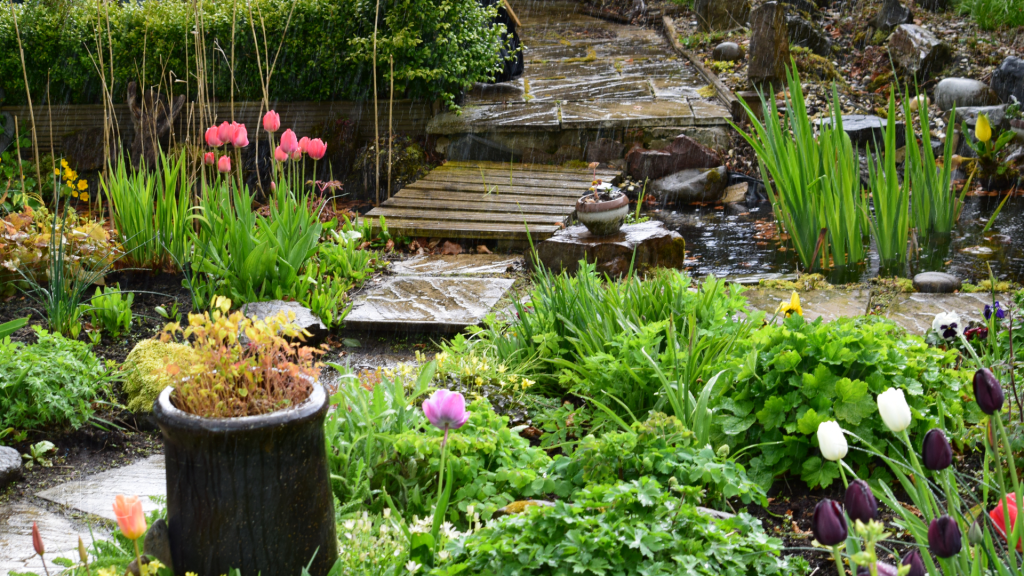
Choosing the Right Location
Tulips need full sun to bloom at their best, so select a spot that receives at least 6 hours of direct sunlight per day. Avoid low-lying areas where water collects, as standing moisture can lead to bulb rot. Raised beds or sandy, well-amended soil can help improve drainage.

How to Plant Tulip Bulbs
- Prepare the Soil – Tulips prefer loose, well-draining soil. If your garden has heavy clay, mix in sand or compost to improve drainage.
- Plant at the Right Depth – Set bulbs 15–20 cm deep with the pointed end facing up.
- Spacing – Leave about 10 cm between each bulb to allow for proper growth.
- Watering – Water the bulbs thoroughly after planting to help them settle, but avoid overwatering.
- Mulching – Once the ground starts freezing, apply a layer of mulch (like straw or shredded leaves) to help regulate soil temperature and prevent bulbs from heaving during freeze-thaw cycles.
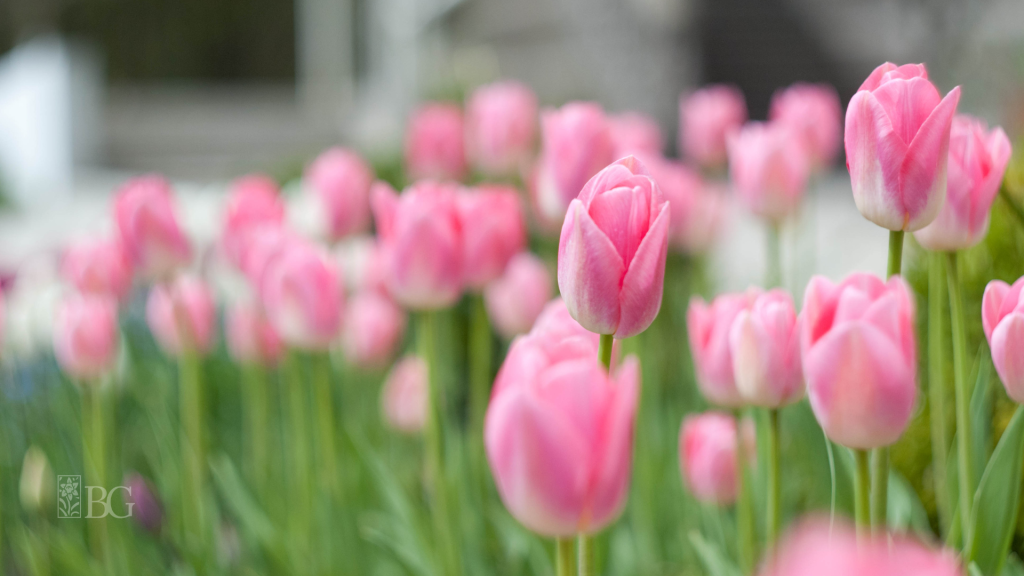
Caring for Tulips in St. John’s
- Watering – Tulips require little water during winter. In spring, water only if the soil is dry.
- Fertilizing – Apply a low-nitrogen bulb fertilizer when shoots first appear in spring to encourage strong blooms.
- Deadheading – Remove faded flowers to prevent seed formation, which drains energy from the bulb.
- Foliage Care – Allow the leaves to die back naturally before cutting them. This helps the bulb store energy for the next season.
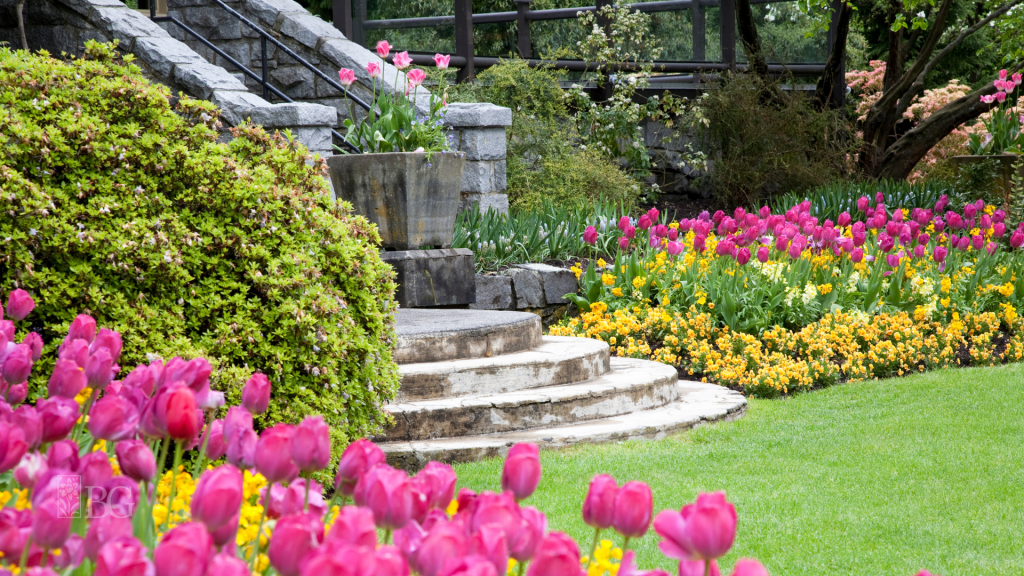
Protecting Tulips from Pests and Weather
Squirrels and rodents often dig up tulip bulbs. To deter them, plant bulbs deeper than usual (around 20 cm) or cover them with chicken wire before adding soil. Mixing tulips with daffodil bulbs, which animals dislike, can also help.
St. John’s wet climate increases the risk of bulb rot. To prevent this, avoid overwatering, improve soil drainage, and select well-draining planting sites.

Encouraging Tulips to Return Each Year
Many tulip varieties bloom for one season and then decline. If you want perennials, choose Darwin hybrid or species tulips, which are more likely to return. After flowering, remove spent blooms but leave the leaves intact until they wither completely. This allows the bulb to store nutrients for the next year.

Growing Tulips in Containers
If your garden soil is too wet, consider growing tulips in containers. Use a deep pot with drainage holes and well-draining soil. In winter, protect the container by storing it in an unheated garage or burying it in the ground until early spring.
With proper care, tulips can thrive in St. John’s, brightening your garden with vibrant spring color despite the challenging climate.
You can consult with our team at Bowering Gardens, lawn and garden experts in St. John’s, Newfoundland, to determine the best practices for your specific region and landscaping, or you can reach out to us below to get a quote so that we can take it off your hands entirely.
Please note that the information provided in this article is based on general guidelines. Specific care and conditions may vary for different varieties and individual gardens.
Frequently Asked Questions
The best time to plant tulip bulbs in St. John’s is in the fall, from late September to mid-November, before the ground freezes. This allows the bulbs to establish roots before winter. Choose a well-draining location, as St. John’s receives heavy rainfall that can cause bulbs to rot in soggy soil.
Yes, tulips can survive St. John’s winters, but proper drainage is key to prevent bulbs from rotting in wet soil. Consider planting in raised beds or amending heavy clay soil with sand or compost to improve drainage. Mulching with straw or leaves after the ground freezes can also help insulate the bulbs.
Squirrels and rodents are known to dig up tulip bulbs in St. John’s. To prevent this, plant bulbs deeper than usual (around 20 cm) and cover them with chicken wire or a layer of mulch. You can also mix in daffodil bulbs, which rodents tend to avoid, or use repellents like blood meal.
Tulips often bloom beautifully in their first year but may not return if conditions aren’t ideal. St. John’s damp climate can cause bulbs to weaken. To encourage perennial blooms, choose Darwin hybrid or species tulips, which naturalize better. After blooming, leave the foliage until it fully dies back to replenish the bulb.
Yes, tulips grow well in containers, but they need protection from winter freezes. Use deep pots with drainage holes and well-draining soil. Store containers in an unheated garage or bury them in the ground for winter, then move them outside in early spring. Water as needed to keep the soil slightly moist but not waterlogged.
Remember, gardening is not only about nurturing plants but also about embracing the joy and wonder that nature brings. Happy gardening!

Posted on
Posted in Blog
