
Flower Friday – Heath
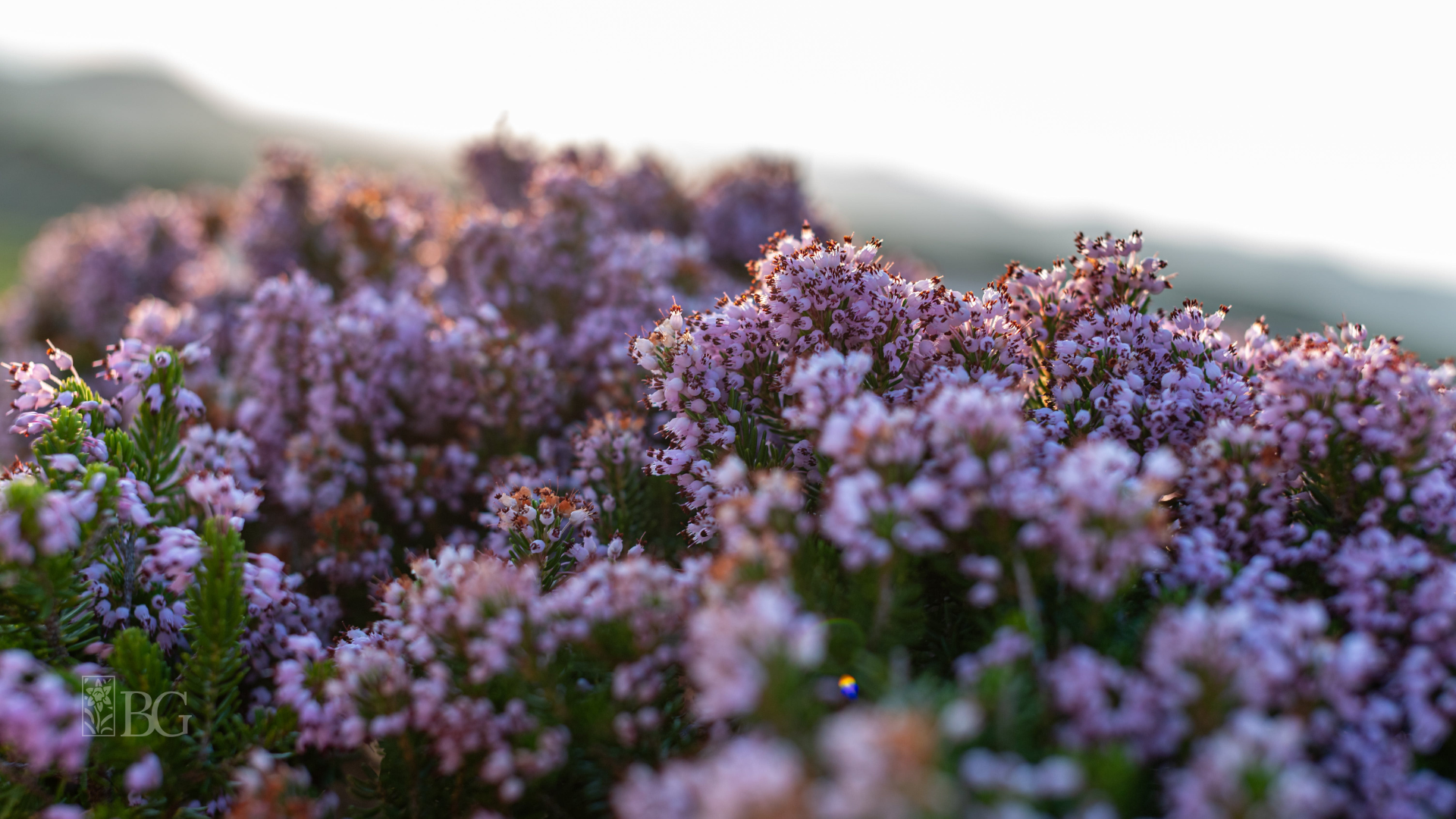
Winter Heath (Erica carnea): Perfect Ground Cover for St. John’s Gardens
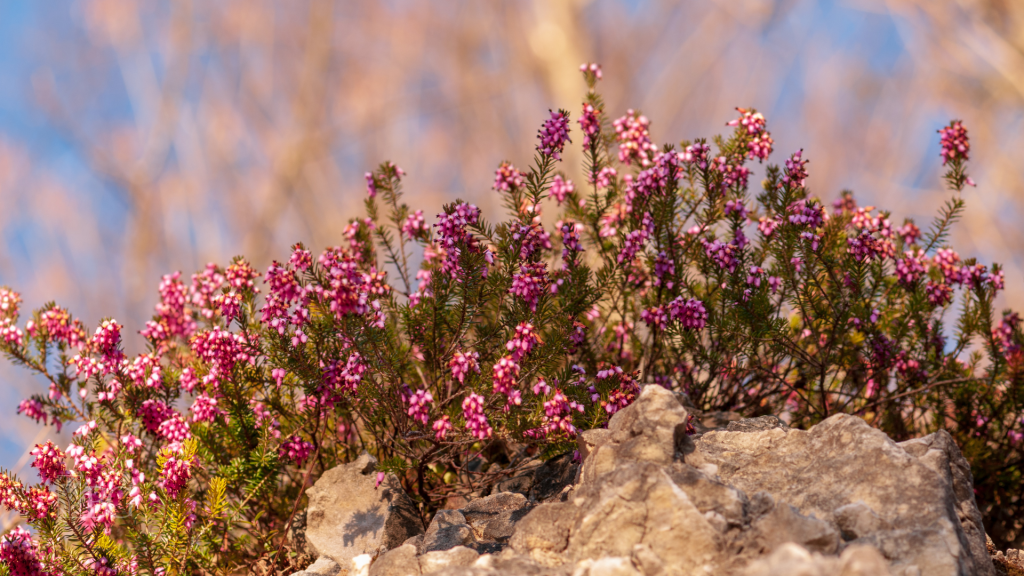
Winter Heath (Erica carnea), also known as Alpine Heath or Spring Heath, is a resilient evergreen shrub that offers vibrant colour during the colder months. Its adaptability makes it an excellent choice for gardeners in St. John’s, Newfoundland, where the climate presents unique challenges.
Botanical Profile
- Common Names: Winter Heath, Alpine Heath, Spring Heath
- Botanical Name: Erica carnea
- Family: Ericaceae
- Plant Type: Evergreen perennial shrub
- Mature Size: 15–30 cm tall; spreads 45–60 cm
- Sun Exposure: Full sun to partial shade
- Soil Type: Well-drained, acidic to neutral sandy or loamy soils
- Soil pH: 5.5–6.5
- Bloom Time: Late winter to early spring
- Flower Colours: Pink, purple, red, white
- Hardiness Zones: USDA 4–9 (suitable for St. John’s)
- Native Range: Alpine regions of Central and Southern Europe
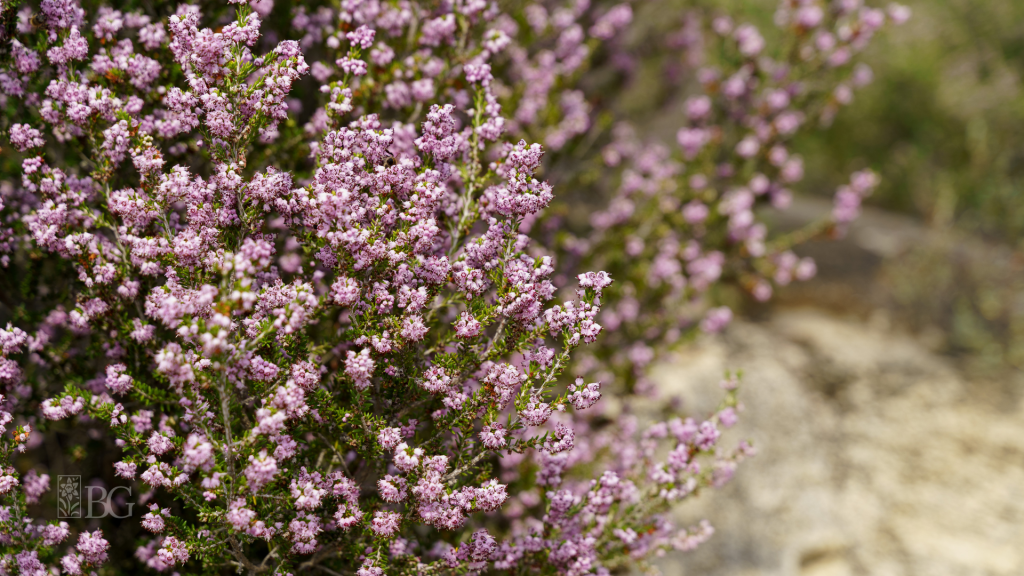
Optimal Growing Conditions in St. John’s
Sunlight Requirements
In St. John’s, where daylight hours vary significantly across seasons, Winter Heath thrives best in full sun. However, it can tolerate partial shade, especially during the intense summer afternoons. Ensuring at least 6 hours of sunlight daily promotes prolific blooming.
Soil Preferences
The plant favours well-drained, acidic to neutral soils. Given St. John’s often clay-rich soils, amending with organic matter or sand can enhance drainage. Raised beds or slopes are ideal planting sites to prevent waterlogging.
Watering Guidelines
While Winter Heath is drought-tolerant once established, consistent moisture is crucial during its initial growth phase. Water deeply but infrequently, allowing the soil to dry slightly between sessions. Overwatering can lead to root rot, especially in poorly drained soils.
Temperature and Humidity
St. John’s cool summers and cold winters align well with Winter Heath’s preferences. The plant remains evergreen, providing year-round interest. However, during extreme cold snaps without snow cover, consider mulching to protect the roots.
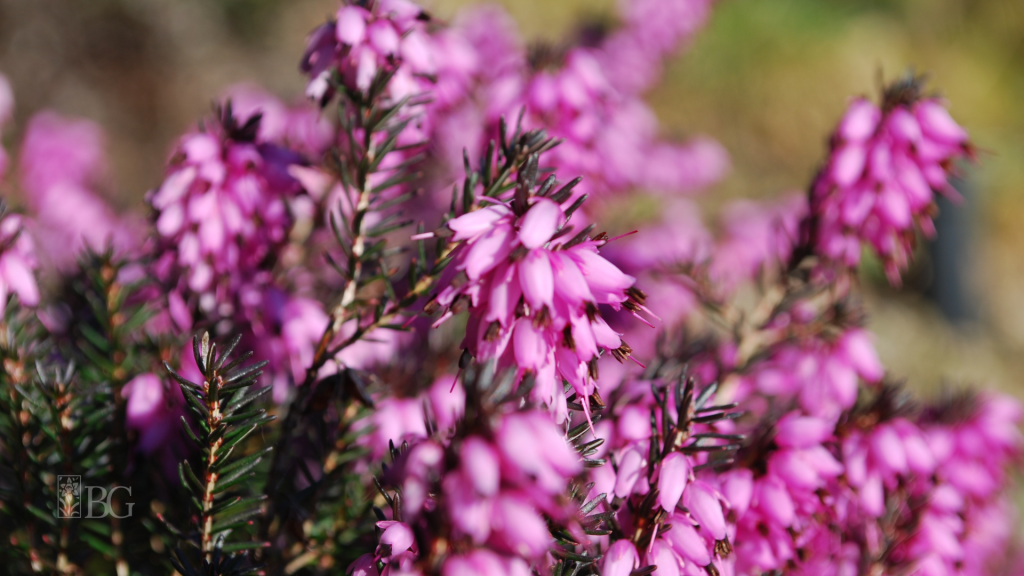
Cultivar Recommendations for Newfoundland Gardens
Selecting the right cultivar enhances the plant’s performance and aesthetic appeal.
- ‘Springwood White’: Features pure white flowers; compact growth habit; blooms from late winter to early spring.
- ‘King George’: Displays deep pink flowers; robust growth; blooms from December to March.
- ‘Eva’: Offers light red flowers; foliage turns bronze in winter; blooms from late winter to mid-spring.
- ‘Kramer’s Red’: Known for its vibrant red flowers; dense growth; suitable for ground cover.
Planting and Maintenance Tips
Planting
The optimal planting times are early spring or early fall. Dig a hole twice the width of the root ball and slightly shallower than its height. Backfill with a mix of native soil and compost. Ensure the crown is level with the soil surface. Water thoroughly after planting.
Pruning
Prune immediately after flowering to maintain shape and encourage dense growth. Avoid cutting into old wood, as it may not regenerate. Light annual pruning prevents legginess and promotes a tidy appearance.
Fertilization
Winter Heath generally thrives without fertilization. However, an annual application of a balanced, slow-release fertilizer in early spring can support vigorous growth. Avoid high-nitrogen fertilizers, which can lead to excessive foliage at the expense of blooms.
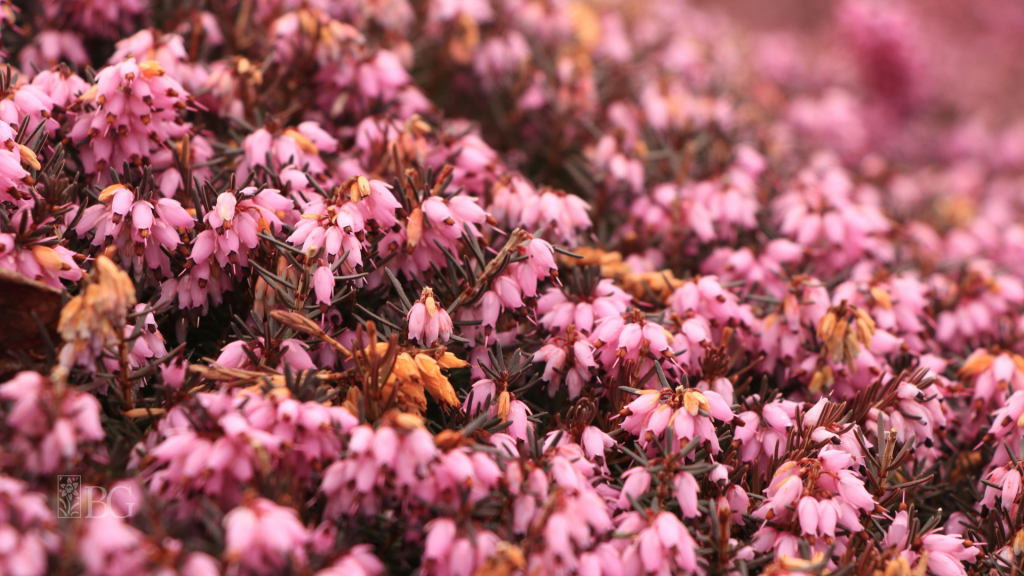
Propagation Techniques
Propagating Winter Heath allows for garden expansion and rejuvenation.
Semi-Hardwood Cuttings
- In mid-summer, select healthy, non-flowering shoots.
- Cut 10–15 cm sections just below a leaf node.
- Remove the lower leaves and dip the cut end in rooting hormone.
- Plant in a mixture of peat and perlite; maintain high humidity and indirect light.
- Roots typically develop within 6–8 weeks.
Layering
This method involves bending a low-growing branch to the ground, wounding it slightly, and covering it with soil. After roots form, the new plant can be separated from the parent.
Common Challenges and Solutions
Leggy Growth
- Cause: Insufficient sunlight or over-fertilization.
- Solution: Relocate to a sunnier spot and reduce fertilizer application.
Browning Foliage
- Cause: Poor drainage leading to root rot.
- Solution: Improve soil drainage and avoid overwatering.
Browning or Dieback
- Cause: Poor drainage, root rot, or winter desiccation.
- Solution: Improve soil drainage, avoid overwatering, and apply mulch in late fall to protect roots from freeze-thaw cycles. Prune away dead or damaged growth in early spring.
Lack of Blooms
- Cause: Excess nitrogen, insufficient light, or improper pruning.
- Solution: Use low-nitrogen fertilizer, ensure full sun exposure, and prune immediately after flowering to encourage next year’s buds.
Pest and Disease Issues
Winter Heath is relatively pest- and disease-resistant, but occasional issues may arise:
| Problem | Symptoms | Treatment |
|---|---|---|
| Spider Mites | Fine webbing, yellowing leaves | Increase humidity, spray with insecticidal soap |
| Root Rot | Wilting despite moist soil | Improve drainage, remove affected plants |
| Leaf Spot | Dark spots on foliage | Remove infected leaves, apply fungicide if necessary |
Landscape Uses
Winter Heath is a versatile plant well-suited for many landscape applications in St. John’s:
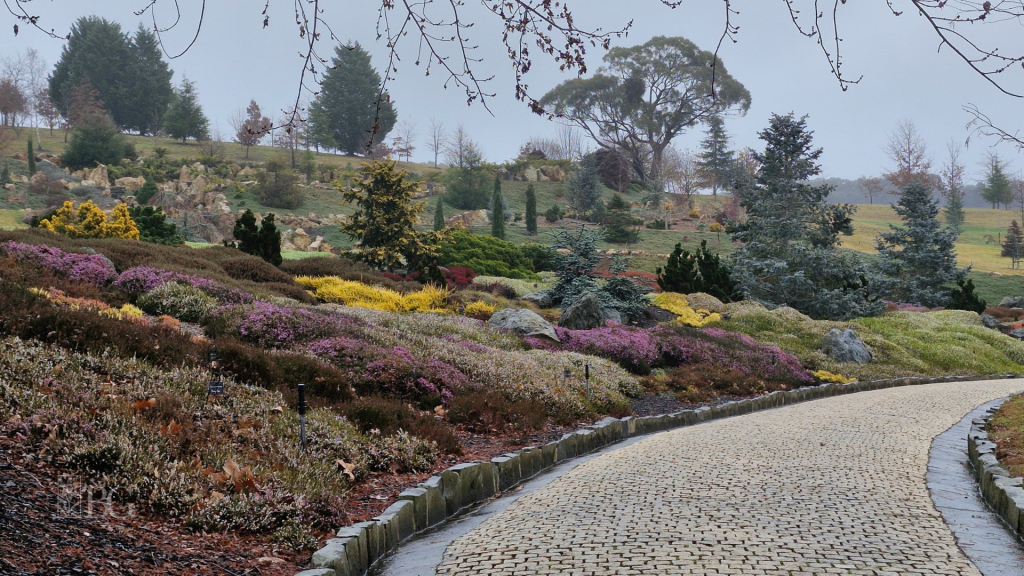
- Rock gardens
- Sloped terrain or retaining walls
- Borders and edging
- Mass plantings for winter colour
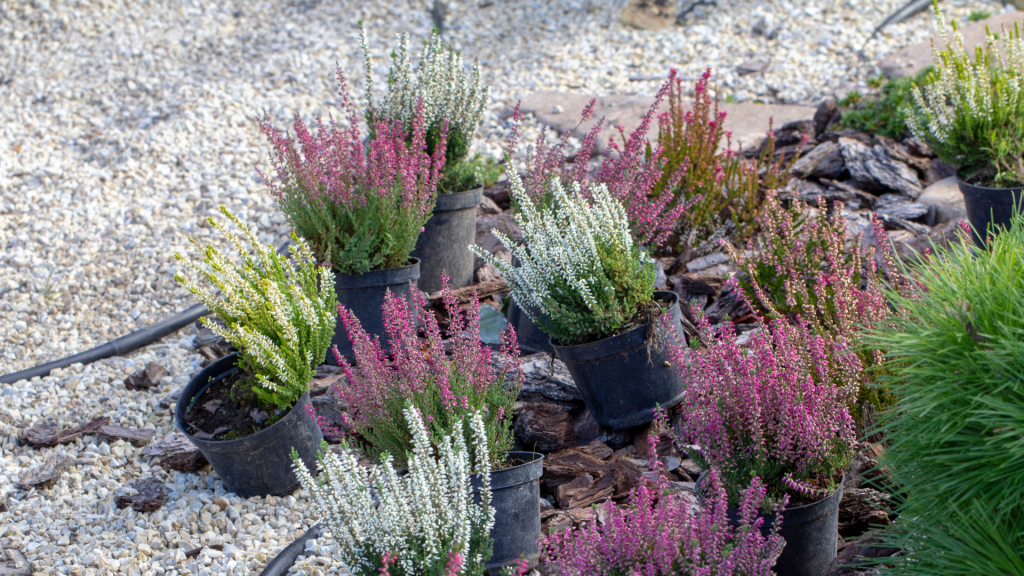
- Container gardening (with excellent drainage)
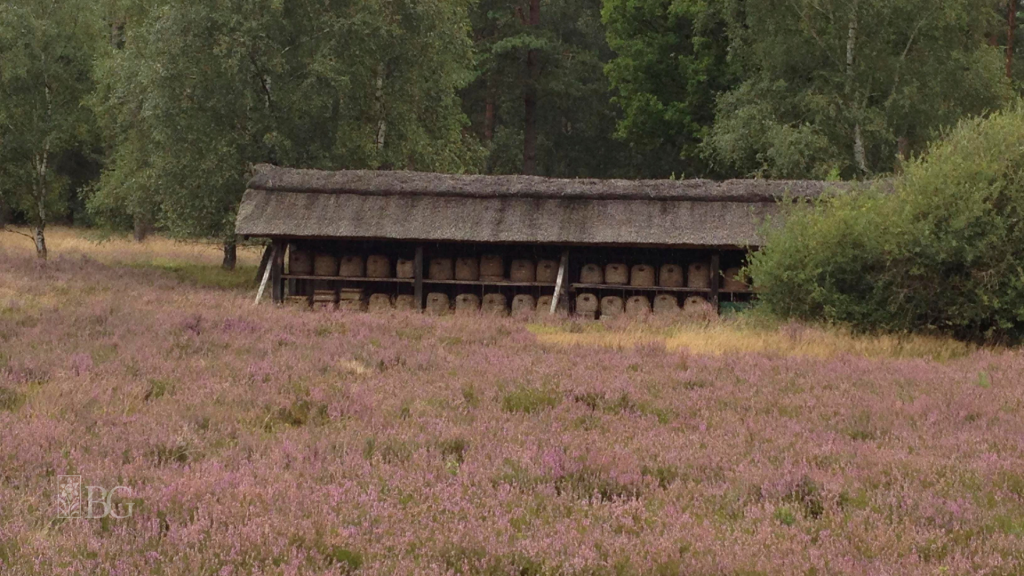
Its evergreen foliage and winter blooms provide essential nectar for early-emerging pollinators like bees — making it an ecologically valuable choice.
Companion Planting Ideas
Pair Winter Heath with other acid-loving, cold-hardy plants to create a low-maintenance, year-round display:
- Rhododendrons (Rhododendron spp.)
- Japanese Pieris (Pieris japonica)
- Dwarf Conifers (Juniperus or Picea cultivars)
- Creeping Phlox (Phlox subulata)
- Heather (Calluna vulgaris)
These combinations offer seasonal interest while sharing similar soil and light requirements.
Seasonal Care Calendar for St. John’s
| Season | Care Tasks |
|---|---|
| Spring | Light fertilization, prune after bloom, monitor soil drainage |
| Summer | Water during prolonged dry spells, check for pests |
| Fall | Mulch around base to protect roots, avoid pruning |
| Winter | Minimal care needed; provide wind protection if necessary |
Final Thoughts
Winter Heath (Erica carnea) is one of the few plants that brings vibrant colour to the garden when everything else is dormant. Its cold tolerance, evergreen foliage, and early blooms make it a valuable addition to St. John’s gardens — especially for those seeking year-round beauty with minimal maintenance.
By understanding its preferences for well-drained acidic soils, full sun, and light pruning, you can enjoy Winter Heath’s charm for many seasons to come.
You can consult with our team at Bowering Gardens, lawn and garden experts in St. John’s, Newfoundland, to determine the best practices for your specific region and landscaping, or you can reach out to us below to get a quote so that we can take it off your hands entirely.
Please note that the information provided in this article is based on general guidelines. Specific care and conditions may vary for different varieties and individual gardens.
Frequently Asked Questions
Yes, Winter Heath (Erica carnea) is exceptionally well-suited to the cool, damp climate of St. John’s, Newfoundland. Its tolerance for poor soils, coastal conditions, and cold winters makes it an ideal low-maintenance evergreen groundcover for local gardens. We recommend planting Winter Heath in well-drained acidic soil with full sun to partial shade exposure for best results in the St. John’s area.
Winter Heath thrives in the coastal climate of Newfoundland, including the challenging winters of St. John’s. Its evergreen foliage naturally resists snow and frost damage. To care for Winter Heath in winter:
Avoid heavy mulching, which can trap excess moisture.
Ensure the soil drains well to prevent root rot.
No additional winter protection is necessary in most parts of St. John’s due to the plant’s hardiness (USDA Zone 5 and lower).
This makes it an excellent low-maintenance winter interest plant for Newfoundland gardens.
Pruning Winter Heath in St. John’s should be done immediately after its flowering period, which typically ends in late spring (May or early June). This keeps the plant compact, encourages dense growth, and promotes abundant blooms next year. Simply shear off spent flowers and trim any straggly stems. Avoid pruning in the fall, as this may interfere with next season’s buds.
Winter Heath is remarkably trouble-free in St. John’s, Newfoundland. However, some potential issues include:
Root rot from poorly drained soil — especially in heavy clay common to parts of the Avalon Peninsula.
Leaf discolouration due to overly alkaline soils — Winter Heath prefers acidic conditions.
Sparse flowering if planted in too much shade.
Notably rabbits are often a problem for Winter Heath in St. John’s, if these animals are present within the city limits.
Gardeners in St. John’s looking to purchase Winter Heath can often find it at local garden centres and nurseries specializing in cold-hardy plants. Some recommended places to look include:
Holland Nurseries
Kent Building Supplies garden centres
Murray’s Garden Centre
- Bowering Gardens can source any type of plant you need, and help get it in the ground, with the right level of sun and shade, and soil drainage.
We recommend calling ahead to confirm availability, especially since Winter Heath is a popular choice for early spring blooms in Newfoundland gardens.
Remember, gardening is not only about nurturing plants but also about embracing the joy and wonder that nature brings. Happy gardening!
Posted on
Posted in Blog
