
Happy St. Patrick’s Day! Shamrocks vs Clover

Shamrock vs. Clover: Understanding the Difference for St. John’s Gardeners
Clover and shamrock—two plants often tangled in folklore, tradition, and gardening confusion. With St. Patrick’s Day just around the corner, it’s time to set the record straight. Are they the same? Can they thrive in Newfoundland’s climate? Let’s dig into the details.

What is a Shamrock? Not Just Any Clover
The word “shamrock” originates from the Gaelic seamróg, meaning “little clover.” However, a shamrock is not just any clover—it’s a plant traditionally associated with Ireland and used as a symbol of good fortune, faith, and renewal.
True Shamrocks: Oxalis vs. Trifolium
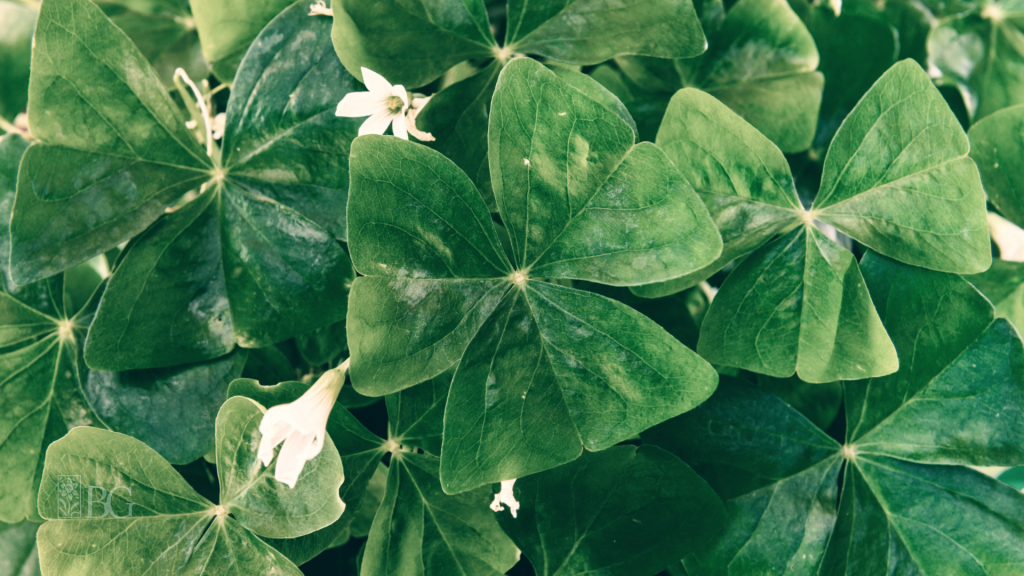
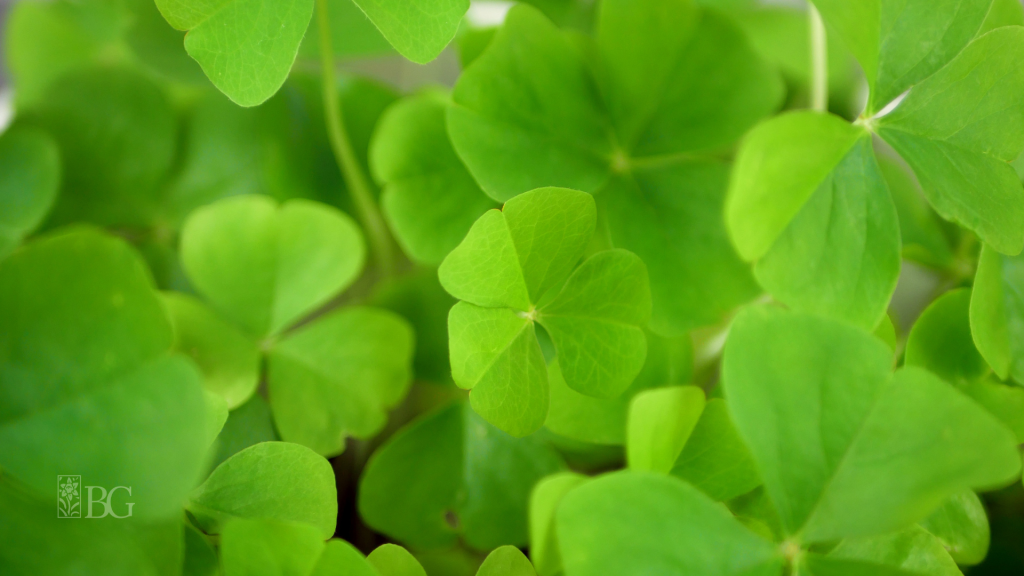
Shamrocks commonly sold around St. Patrick’s Day are often species of Oxalis, particularly Oxalis deppei (Good Luck Plant) and Oxalis triangularis. These plants have three delicate, heart-shaped leaflets and bloom in vibrant shades of pink, white, or yellow. However, some botanists argue that the true shamrock belongs to the Trifolium genus, which includes white clover (Trifolium repens)—a common lawn and pasture plant in Newfoundland.

Clover: More Than Just a Lucky Find
Unlike shamrocks, clover (Trifolium species) is a widespread ground cover found across Canada, including Newfoundland’s coastal landscape. The most well-known varieties include:
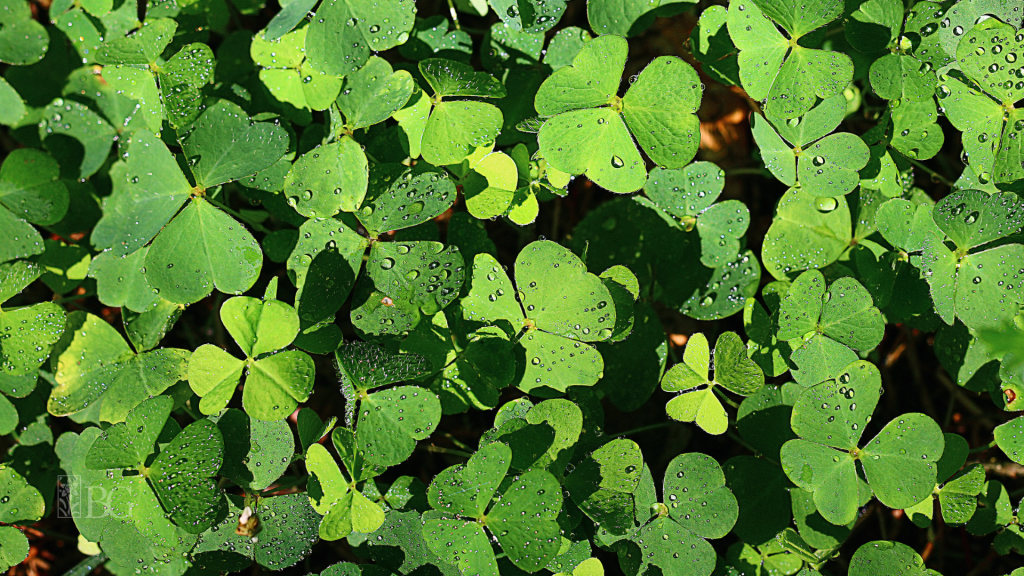
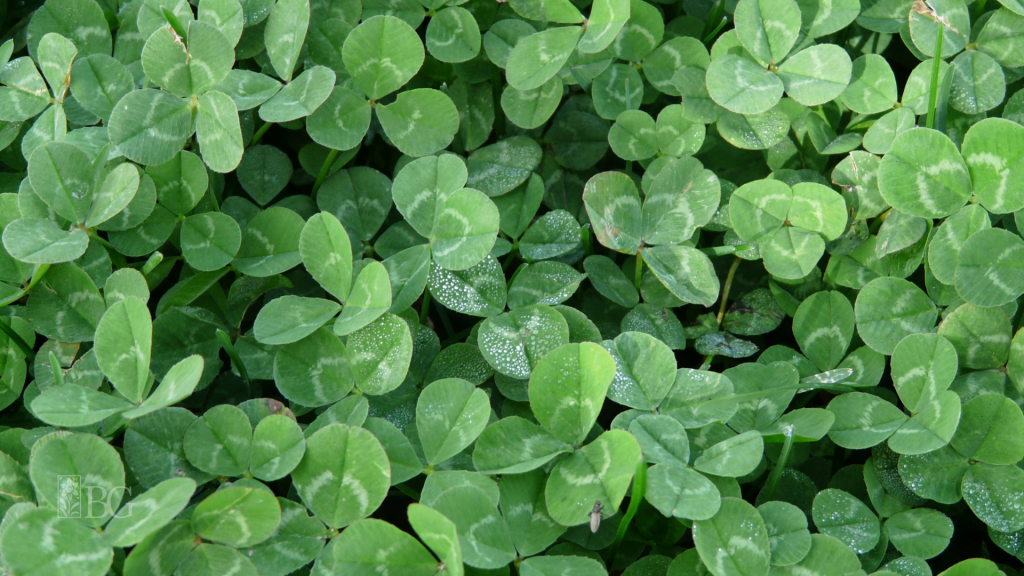
- White Clover (Trifolium repens) – A common lawn plant with rounded, three-lobed leaves and small white flowers.
- Red Clover (Trifolium pratense) – A nitrogen-fixing plant that thrives in poor soil conditions, producing pinkish-red blooms.
- Four-Leaf Clovers – A rare genetic mutation of white clover, often linked to good luck but not a separate species.
Unlike Oxalis, which is typically grown as a houseplant, clover is cold-hardy and can withstand Newfoundland’s chilly springs and moist soil conditions.

Growing Shamrocks and Clover in St. John’s Climate
St. John’s, with its cool springs, damp conditions, and maritime climate, presents unique challenges for gardeners. Here’s how shamrocks and clover fare in local conditions:
Oxalis Shamrocks: Best as Houseplants
- Light: Prefers bright, indirect light; too much sun can scorch the leaves.
- Temperature: Ideal indoors, as Newfoundland’s chilly spring nights can be too cold for outdoor growth.
- Watering: Likes well-draining soil and occasional drying out between waterings.
- Winter Care: Dies back seasonally but revives with proper watering and light.
White Clover: Hardy and Low-Maintenance
Lawn Alternative: Works as a low-maintenance ground cover that fixes nitrogen into the soil..
Light: Tolerates full sun to partial shade.
Soil Conditions: Thrives in well-draining, moderately fertile soil.
Cold Resistance: Can survive Newfoundland’s winters and often returns each year.
Which One Should You Grow for St. Patrick’s Day?
If you want a traditional Irish shamrock, go for Oxalis triangularis—it’s widely available in garden centres before St. Patrick’s Day and makes a charming houseplant. If you’re interested in a hardy, low-maintenance plant that suits Newfoundland’s climate, white clover (Trifolium repens) is an excellent choice, adding greenery and nitrogen to your lawn.
Whichever you choose, both plants bring a touch of Irish luck and greenery to your home. Happy St. Patrick’s Day, and happy gardening!
You can consult with our team at Bowering Gardens, lawn and garden experts in St. John’s, Newfoundland, to determine the best practices for your specific region and landscaping, or you can reach out to us below to get a quote so that we can take it off your hands entirely.
Please note that the information provided in this article is based on general guidelines. Specific care and conditions may vary for different varieties and individual gardens.
Frequently Asked Questions
Shamrocks (Oxalis triangularis and Oxalis deppei) are not winter-hardy in Newfoundland’s climate and are best grown as houseplants. They prefer bright, indirect light and well-draining soil. If you want to move them outdoors in the summer, place them in a sheltered, partially shaded area. White clover (Trifolium repens), however, is a hardy perennial that thrives in Newfoundland’s cool, damp conditions. It can be used as a ground cover or lawn alternative, tolerating both shade and full sun.
For best results, plant clover seeds in early spring (May to June) once the soil has warmed up to around 10°C. Clover thrives in Newfoundland’s moist conditions and will establish quickly with regular rainfall. If you’re using white clover as a lawn alternative, mix it with grass seed for a lush, low-maintenance lawn. Avoid planting in late fall, as young clover plants need time to establish before winter frost.
Shamrocks (Oxalis triangularis) make excellent houseplants but need specific care to thrive. Keep them in a bright window with indirect sunlight, as too much direct sun can scorch their delicate leaves. Water when the soil feels dry, but avoid overwatering, as they prefer slightly dry conditions. During the winter months, shamrocks enter a dormancy period where their leaves may die back—simply reduce watering and let them rest. After a few weeks, new growth will emerge in time for spring.
A shamrock is a three-leaf clover, traditionally associated with Irish heritage and St. Patrick’s Day. It is most commonly represented by Trifolium repens (white clover) or Oxalis triangularis (wood sorrel). A four-leaf clover, on the other hand, is a rare genetic variation of white clover. While shamrocks symbolize faith, hope, and heritage, four-leaf clovers are considered lucky due to their rarity. In Newfoundland, both can be found, but four-leaf clovers remain an uncommon natural occurrence.
Yes! White clover (Trifolium repens) is an excellent lawn alternative for Newfoundland’s cool, damp climate. It thrives in poor soil, requires less mowing than traditional grass, and naturally enriches the soil with nitrogen, reducing the need for fertilizers. Clover is also drought-resistant, meaning it stays green longer during dry spells. Additionally, it attracts pollinators like bees, making it a great eco-friendly choice. If you’re looking for a low-maintenance, resilient lawn option in St. John’s, clover is a great addition or alternative to grass.
Remember, gardening is not only about nurturing plants but also about embracing the joy and wonder that nature brings. Happy gardening!
Posted on
Posted in Blog
